
Weapons
Nukes are RoFront's headline endgame tool. Learn how to unlock and afford them, when to launch, and what a nuclear option really costs on the way to 80% world control.
Introduction
Weapons in RoFront are the difference between a strong nation and a scary one. The game's headline weapon is the nuke — a nuclear strike that appears in the official description as a core part of the endgame loop alongside building, expansion and alliances. Nukes are the tool you use to break open a stalled war, shatter a fortified rival or stop a coalition at the gates, and they are expensive, powerful and politically radioactive all at once. This category covers the entire nuclear path: how players understand earning and unlocking nukes, how you afford them through the economy loop, when to launch and when to hold, and what the aftermath looks like when every nation on the map can see the glow. It also covers the conventional tools — armies, recon and defenses — that decide most wars before the nukes ever fly.
Weapons & Nukes Quick Reference
| Tool | Type | Cost | Best Use |
|---|---|---|---|
| Nuke | Endgame nuclear strike | High — needs a strong economy | Break fortified rivals and stalled coalitions |
| Standing Army | Conventional force | Income upkeep | Hold borders and respond to raids |
| Invasion Force | Mass assault | Very high | Take capitals and finish real wars |
| Recon Push | Scouting stack | Low | Probe borders and scout unclaimed land |
| Border Defense | Garrison force | Medium | Protect the cities, ports and factories |
Arsenal Breakdown
Nuke
The headline weapon that ends sieges and races
Standing Army
The standing force that holds everything you already own
Invasion Force
The full-wave commitment that finishes real wars
Recon Push
The cheap, disposable stack that sees before it dies
Border Defense
The garrison force that protects the economy your whole army depends on
Core Mechanics
RoFront's weapon layer centers on the nuke, but the official description only confirms that nukes can be launched — it does not publish unlock steps, costs or targeting rules. What players know comes from the game's own framing: nukes are endgame tools in the long war for 80% world control. Community guides treat the nuclear path as three gates. First, understanding: nukes are for the late race, not the opening. Second, affordability — because launching is expensive, you grow your economy through cities, ports and factories first, and only then can you treat a nuke as a real option. Third, timing — experienced players launch against fortified rivals or stalled coalitions when surprise can actually win the war. The aftermath is the hidden mechanic: a nuke can win the battle but it paints a huge target on your nation, because every surviving power now knows exactly who has endgame weapons and where they live.
Advantages
A well-timed nuke is the fastest way to break a RoFront endgame open. If a coalition is stalling your 80% push, or a rival has fortified a border you cannot crack, one nuclear strike can erase the defensive advantage in a single moment and turn a siege into a breakthrough. The threat alone has value: once you are known to hold nukes, cautious rivals think twice before declaring, which gives you negotiating room and breathing space for your economy. The conventional weapons layer is just as important because most wars are decided before nukes fly — a solid standing army, smart recon pushes and proper border defense keep you alive long enough to reach the endgame at all. Players who master both layers control the tempo of the late race instead of reacting to everyone else's missiles.
Challenges
Weapon data in RoFront is almost entirely unofficial. The game description confirms nuclear launches exist, but it never reveals how nukes are unlocked, what they cost, what their blast effect is or how the aftermath is calculated — every detail in this category is community-inferred from videos and discussion, and the community itself disagrees on several points. There is also no strategic downside that is fully documented: players reason that a strike paints a target on your nation, but the exact revenge mechanics are not published. On the conventional side, the same problem appears in reverse — there are no army formulas, so "best use" advice is experience-based rather than data-backed. Because the game updates almost weekly, any published tactic could be invalidated by the next balance patch, so treat these guides as strong current theories rather than certified facts.
Frequently Asked Questions
How do I get nukes in RoFront?+
When is the best time to launch a nuke?+
What happens after I use a nuke in RoFront?+
Quick Tips
Build the economy before you build the nuke program. Community guides consistently stress that nukes are endgame tools, not opening moves — villages and factories have to grow first, because the weapon is expensive and every coin you sink into it is a coin your army is not spending on claimable map control. Grow cities, ports and factories until your income comfortably funds your regular army, and only then treat a nuke as a real option. In that order, the weapon becomes a capstone you can afford rather than a gamble that bankrupts the nation that built it too early.
Pair conventional tools with the nuclear threat instead of replacing them. Most wars in RoFront are decided by armies, recon and defenses — the nuke only matters in the handful of fights conventional force cannot settle. Keep a standing army to hold borders, use recon pushes to scout targets, and never strip your border defense to fund one dramatic launch. When the nuke finally flies, it should break a fight your conventional forces set up, not rescue a siege you ignored for forty minutes. The nuclear option is the finisher, not the game plan.
Weigh the target you paint before you paint it. Every nuke tells the entire map who has endgame weapons and where they live, and the revenge coalition can arrive faster than any economy can hide. Before launching, count the powers that would rationally unite against you, estimate how long their coalition takes to form, and confirm the launch changes the match shape enough to justify the attention. If the strike only wins one border province while donating three allies to the enemy coalition, hold the launch and keep the threat as your unspent power.
Featured
RoFront rofront how to nuke a nation: launch tactics
Master rofront how to nuke a nation with launch timing, target selection, economy checks, and strike planning for player nations and AI tribes.
RoFront rofront bombing guide: strike, conquer, and expand
Explore the rofront bombing guide for effective nuke launches, target priorities, war-loop timing, and territory gains against nations and tribes.
RoFront Late Game Nuke Strategy for 80% Control
Master rofront late game nuke strategy by timing nuclear strikes, choosing priority targets, and turning 80% world control into a decisive victory.
All Articles
RoFront nuke guide: unlock steps, launch costs, and safe use
Learn rofront nuke guide requirements, unlock steps, targeting choices, launch timing, and preparation for striking rival nations.
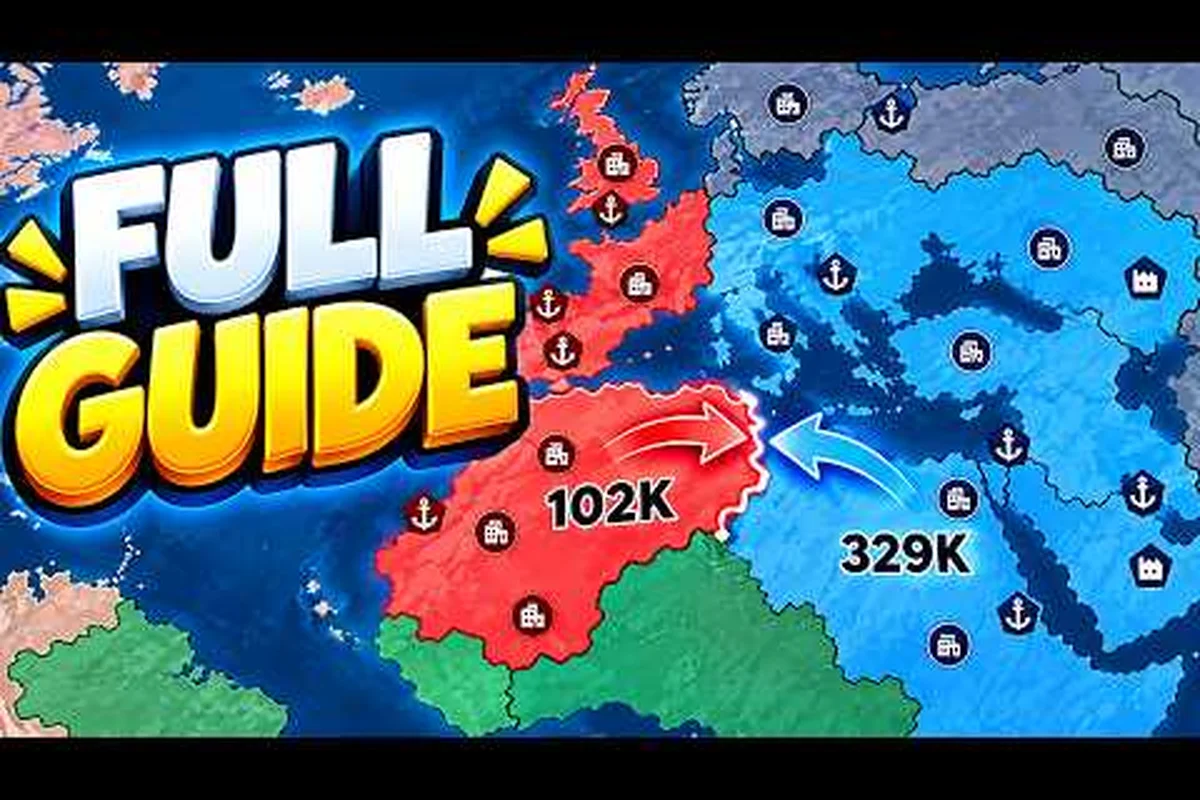
RoFront rofront nuke strategy: fund strikes and conquer 80%
Master rofront nuke strategy with money management, factory-versus-anchor priorities, and precise strike timing to push toward 80% world control.
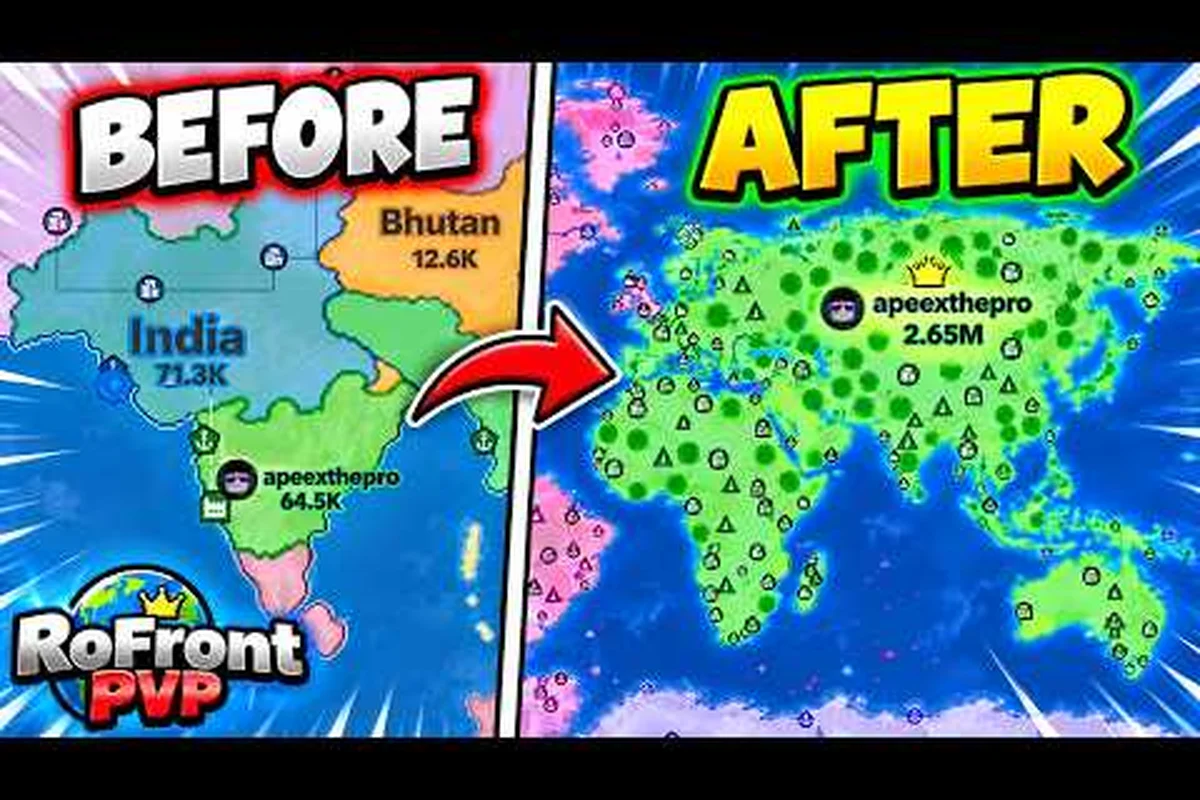
RoFront nuke timing guide: strike near the 80% win goal
Master the rofront nuke timing guide to judge affordability, target weakness, and the right moment to launch a strike toward your 80% control goal.
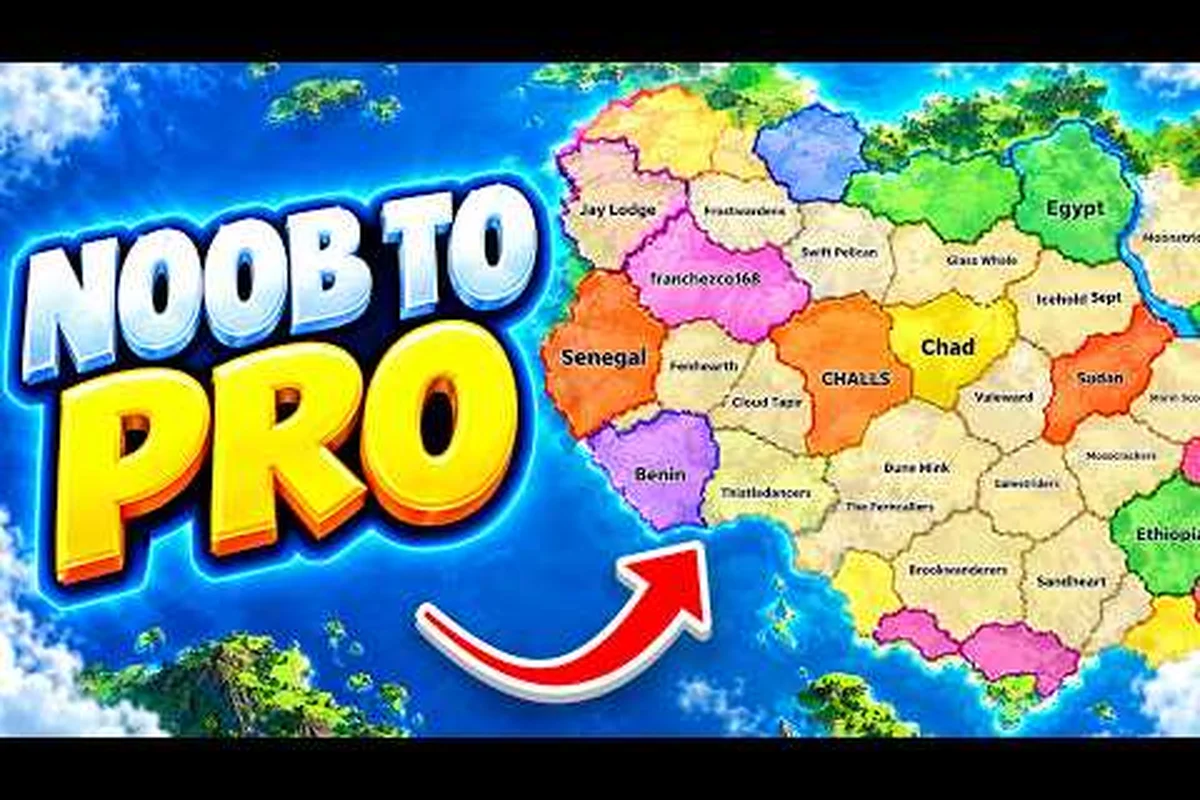
RoFront rofront nuke requirements: preparation and costs
Learn the rofront nuke requirements, including the economy needed, factory-versus-anchor priorities, and preparation steps before your first atomic bomb.