
Map
Every RoFront match is decided on one real-world map. Understand unclaimed lands, borders, continents and the 80% control goal that crowns the world conqueror.
Introduction
Every RoFront match is decided on the same shared real-world map, which makes the map the most important constant in the game. At the start, up to 88 player nations and hundreds of AI tribes are placed across the globe, each player holding one country while tribes occupy the gaps. How you read this map — where the unclaimed land is, where borders are contested, where tribes block your routes — determines your entire opening, and the 80% world-control goal turns reading into winning. This category explains the map's structure, how territory and borders actually decide expansion, why unclaimed lands are the safest early expansion, and how the 80% victory condition changes the math of the late game. Whether you are choosing your first region or planning the final push, the map guides here give you the spatial awareness that most players learn only after losing a few matches.
Map Concepts Quick Reference
| Concept | Meaning | Strategy | Decides |
|---|---|---|---|
| Unclaimed Lands | Neutral territory with no owner yet | Claim quickly with small stacks | Who snowballs the opening |
| Occupied Borders | Borders that touch another nation | Posture, ally or prepare to fight | Where the first war happens |
| Tribe Territory | AI-faction land between players | Clear tribes for clean routes | Which expansion lanes stay open |
| Continents | Large landmasses and chokepoints | Anchor your core, cut chokepoints | The shape of the endgame |
| 80% World Control | The victory condition of every match | Track % and the race to it | When and how the match ends |
Concept Breakdown
Unclaimed Lands
The safest, cheapest expansion resource in the entire match
Occupied Borders
Where almost every match's first war is born
Tribe Territory
The AI land that blocks your cleanest routes
Continents
Geography decides the entire shape of the endgame
80% World Control
The single number every match is really racing
Core Mechanics
RoFront runs on a real-world map with a single, severe victory condition: control 80% of the world. Underneath that headline goal, the map feeds every other system. Territory first — every region you claim becomes production that builds cities, ports and factories. Borders second — a border with another nation is a diplomatic space and a war lane at the same time, so your map position shapes every alliance and every declaration. Tribes third — AI factions fill the land between players, acting as both obstacles and sources of clean expansion once cleared. Continents and geography fourth — coastal regions enable ports, landlocked interiors reward aggression, islands defend naturally, and a few chokepoints can anchor an entire endgame defense. The interaction of these four layers is the constant that all other RoFront strategy has to respect, which is why the map category sits at the center of the wiki's strategy network.
Advantages
Reading the map first gives you an economy and military advantage before a single fight. Claiming unclaimed land early, with small stacks, converts the cheapest possible territory into income while the map is still open, which is exactly the opening the community recommends. Understanding borders tells you where the first war will erupt, so you can position troops and allies before the shooting starts instead of reacting afterward. Learning to clear tribe territory keeps your expansion lanes open and prevents an entire continent from being bricked behind an untouchable AI wall. Finally, tracking the 80% goal changes how you value every region — a chokepoint or continent stronghold is worth far more than an equal-sized empty province once you know what the endgame will reward. Players who read the map steadily out-expand and out-position rivals who only see the armies.
Challenges
Map advice in RoFront leans heavily on player inference, because the official description only confirms the real-world map, the tribes and the 80% goal — it does not publish region values, border rules, tribe AI behavior or any territory statistics. Claims like "coastal regions enable ports" and "landlocked starts reward aggression" come from community observations of how the shared map plays, not from documented mechanics. Tribe behavior is especially uncertain: the description says hundreds of tribes exist, but how they defend, spread or respawn is undocumented. The 80% target itself also has fuzzy edges — the exact war of how control is measured (region count, land area, value) is not exposed, so players track it by feel rather than formula. Treat each map concept as a strong tendency shaped by the community, verify big claims in your own lobbies, and expect the picture to evolve as the game updates.
Frequently Asked Questions
How does the 80% world control goal work?+
What is the best early expansion strategy on the RoFront map?+
How do borders and war work on the shared map?+
Quick Tips
Claim unclaimed land in the opening minutes with small stacks, and do it fast. Unclaimed territory is the safest expansion RoFront offers, and the bonus land gives compounds into income, cities and ports that make every later claim easier. Because other players will expand toward the same neutral ground, every minute you wait lets them grab the good land first. Match your stack sizes: a small claiming force beats neutral defenders while your core army stays home, and once the province is yours, mark it for a city or port immediately so the territory starts producing instead of just sitting owned.
Use the map to predict the first war. Look at every occupied border between player nations early — the first conflict almost always erupts where two expanding players collide or where one nation's border chews into another's expansion lane. Position your own diplomacy around that map: keep weak borders quiet, ask an ally to cover a vulnerable flank, and avoid being the nation whose expansion visibly crosses someone else's claimed lane. When the war finally comes, it should be at a border you chose, not one a rival forced on you.
Track the 80% percentage as its own resource. The endgame race is a math problem: you do not just need to win fights, you need to pass 80% before a rival coalition does. Weigh every mid-match decision against that number — a chokepoint that blocks a whole continent is worth more than a scattered province, an ally's collapse on one side of the map can hand the race to the bloc on the other, and a nuke that breaks a stalled coalition can shift several percent in one move. Treat percentage as a progress bar the whole match is really driving, and the map decisions become far clearer.
Featured
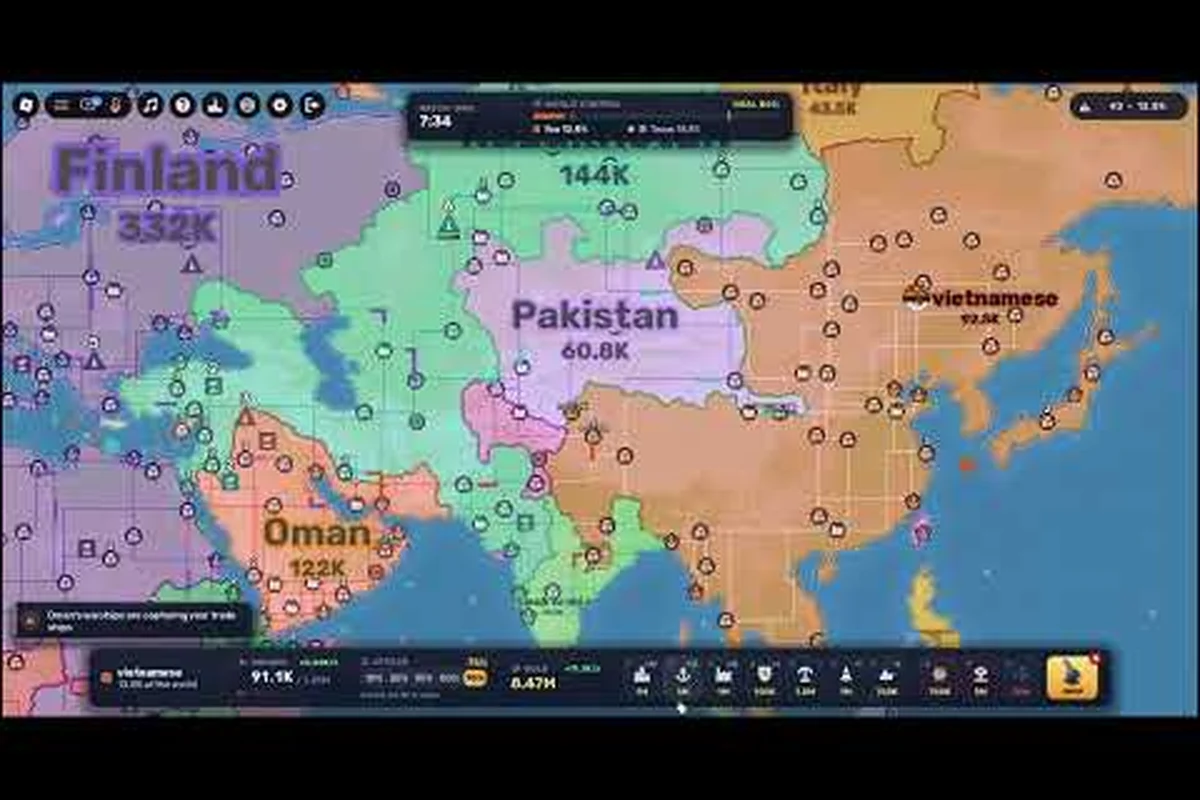
RoFront rofront how to read the map for better claims
Learn rofront how to read the map by identifying nations, tribes, unclaimed land, borders, convoy routes, and safer territory to claim next.
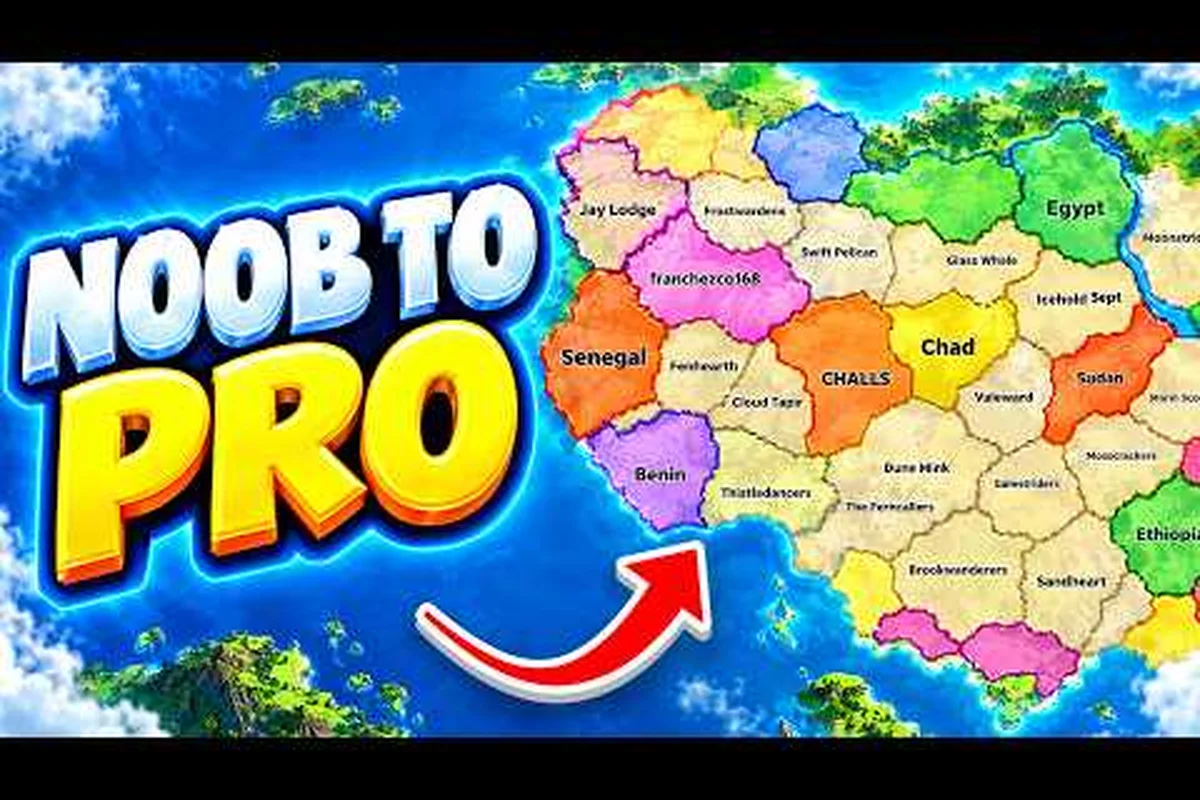
RoFront Starting Location Strategy for Early Expansion
Use this rofront starting location strategy to claim safe land, send 1k troops, and build a strong economy before entering costly PvP fights.
RoFront rofront border guide: choose smarter neighbors
Use this RoFront border guide to compare neighboring nations, find safer expansion routes, and choose where to attack without overextending.
All Articles
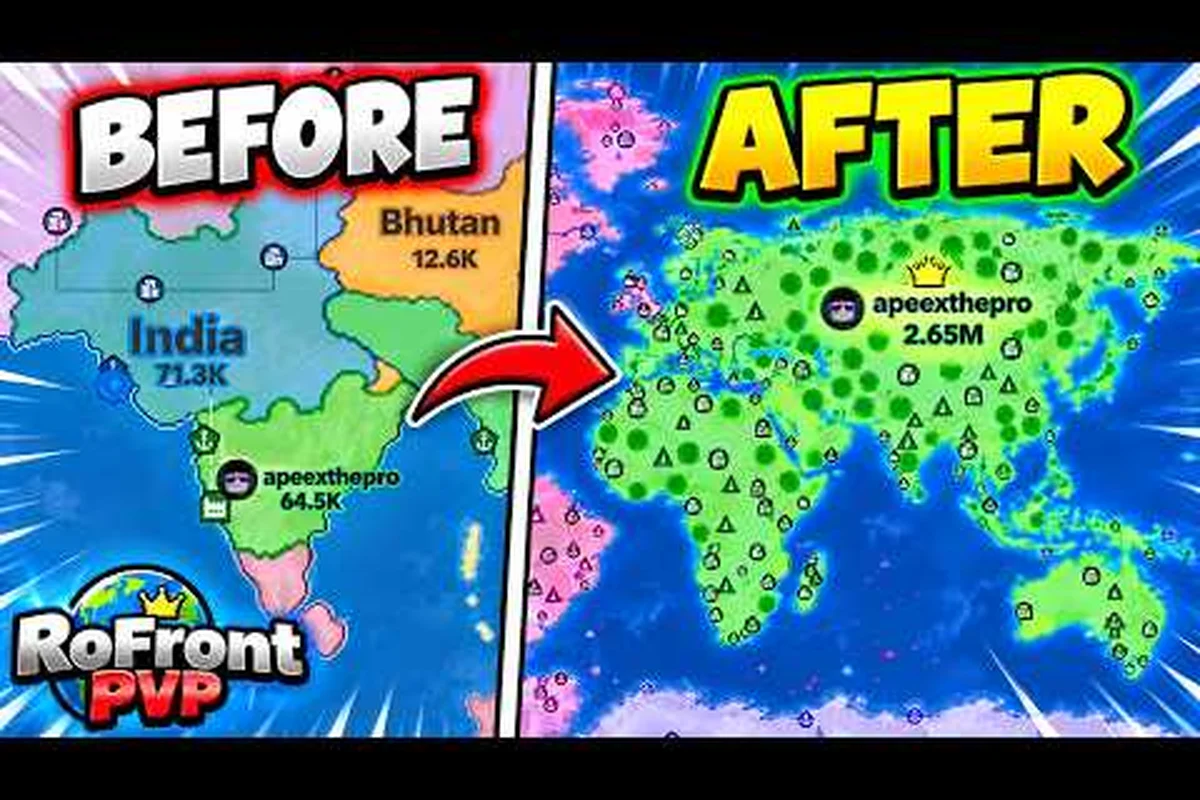
RoFront rofront map boundaries: Regions, Borders, and Strategy
Explore rofront map boundaries across continents, player nations, and AI tribes to choose safer land claims and plan stronger territorial advances.
RoFront rofront map guide: master the shared world
Explore the RoFront map guide to understand 88 player nations, AI tribes, unclaimed land, borders, and strategic routes across one shared world.
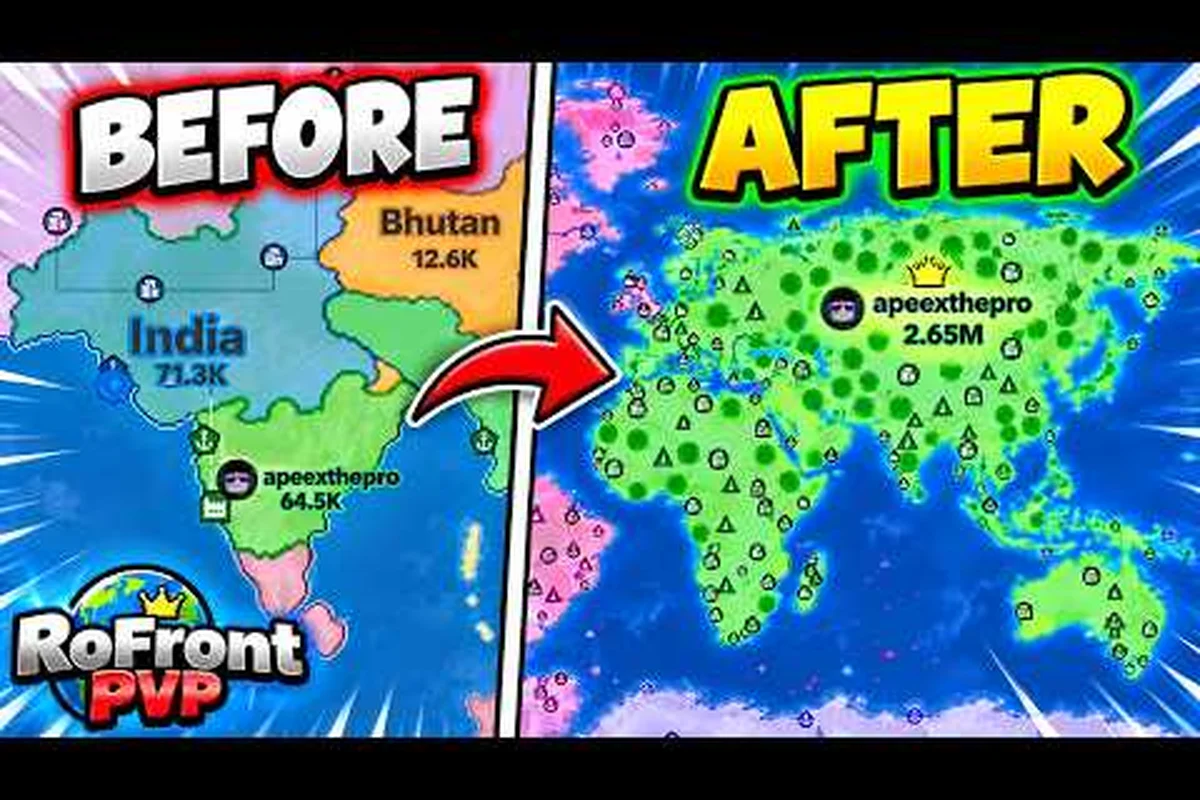
RoFront Territorial Control Guide: Claim 80% of the World
Follow this rofront territorial control guide to expand across unclaimed land, grow your economy, and use stronger armies to claim 80% of the world.
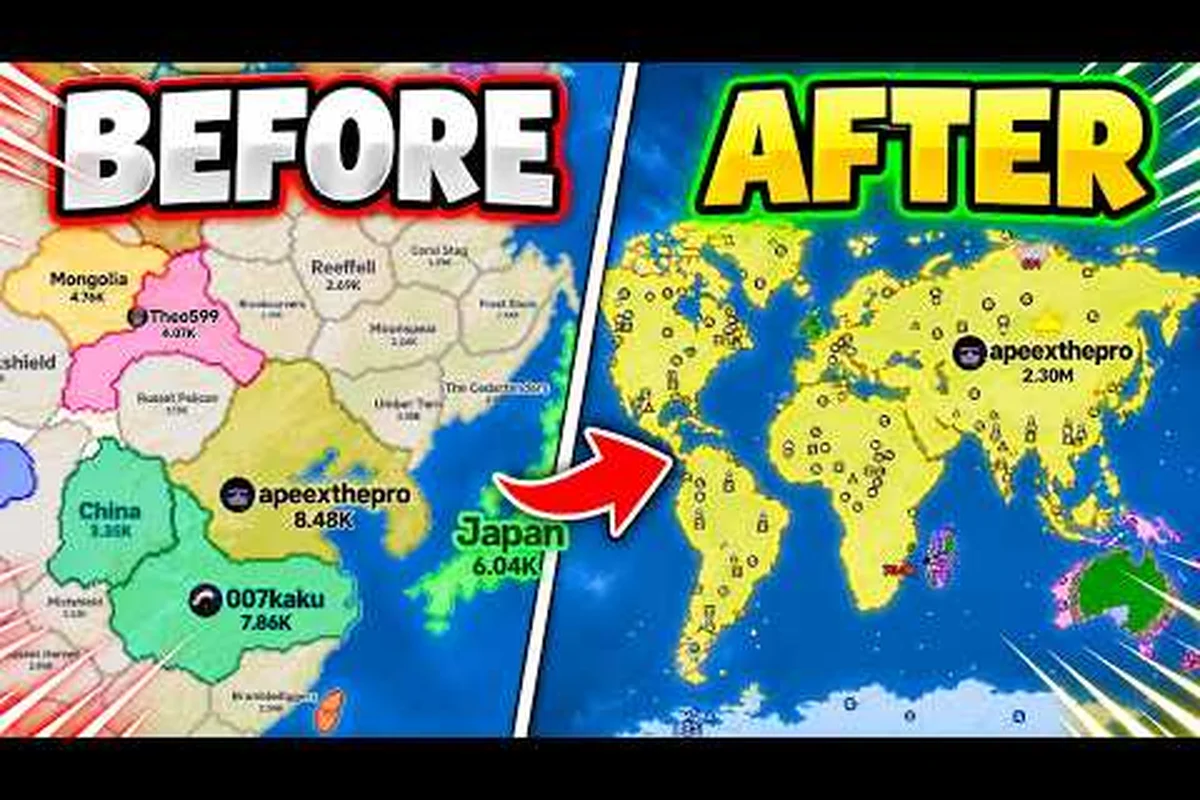
RoFront rofront control the world: Win with 80% Territory
Master rofront control the world with a proven path from early 1k troop claims and factory income to the 80% territory win condition.